
Practical fall prevention for seniors to keep residents safe and their skin healthy
For seniors, even a minor fall or skin tear can have serious consequences. In assisted living facilities, where residents may have fragile skin, mobility challenges, or chronic health conditions, fall prevention for seniors isn’t just a safety measure, it’s a cornerstone of quality care. Implementing proactive strategies helps reduce injuries, improve healing outcomes, and support independence while preserving dignity.
Understanding Why Falls and Skin Tears Happen
Falls and skin tears share many of the same risk factors. As people age, changes in skin elasticity, muscle strength, and balance make them more vulnerable to both. Common causes include:
- Poor lighting or cluttered walkways
- Improper footwear or ill-fitting clothing
- Medications that cause dizziness or low blood pressure
- Dehydration or weakness from poor nutrition
- Limited mobility or poor balance
Understanding these risks allows care teams to take preventative measures before injuries occur.
Fall Prevention Strategies for Seniors in Assisted Living
Effective fall prevention for seniors begins with awareness and consistency. Facilities can significantly reduce fall-related injuries by creating safer environments and supporting residents’ mobility.
Key strategies include:
- Environmental modifications – Keep walkways well-lit, clear of clutter, and equipped with non-slip flooring and grab bars.
- Routine mobility assessments – Regularly evaluate residents’ balance, gait, and strength to identify those at higher risk.
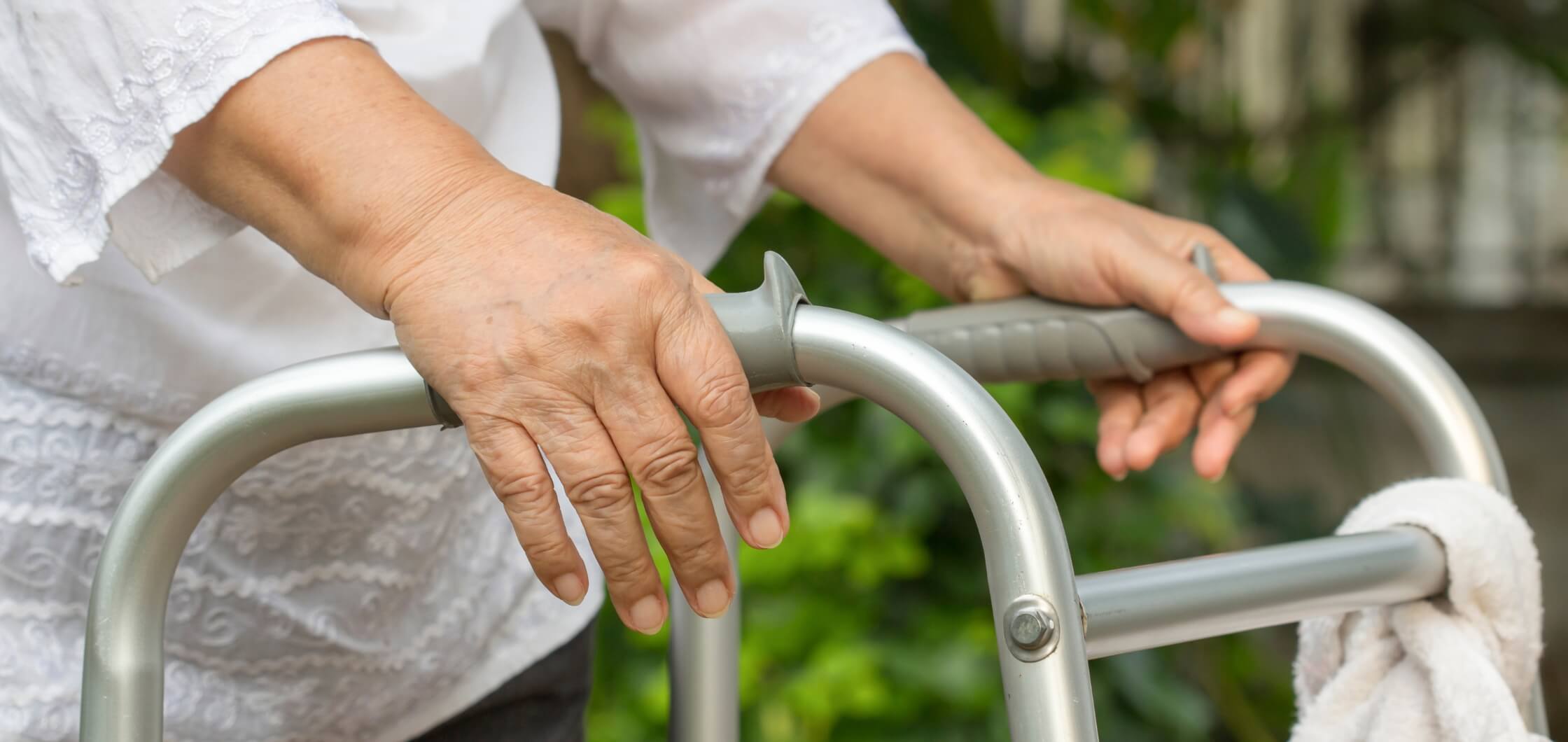
- Proper footwear and assistive devices – Encourage the use of supportive shoes and ensure canes or walkers are properly fitted.
- Exercise and physical therapy – Gentle strength and balance exercises improve stability and confidence.
- Staff awareness and communication – Train staff to recognize early signs of unsteadiness and respond quickly to potential hazards.
By building fall prevention into daily routines, assisted living facilities can drastically reduce avoidable injuries.
Skin Tear Management and Prevention
Skin tears are one of the most common injuries among older adults and one of the most preventable. Seniors’ skin becomes thinner and more fragile with age, making it prone to tearing from even minor bumps or friction.
To protect residents:
- Moisturize daily to keep skin supple and reduce the risk of tearing.
- Use gentle handling techniques when transferring or repositioning residents.
- Choose soft, non-restrictive clothing and remove jewelry during care activities.
- Keep fingernails short and smooth to prevent accidental scratches.
- Implement proper wound care immediately if a tear does occur, clean, protect, and report it to the wound care team promptly.
When skin tears are properly treated and monitored, they’re less likely to become infected or develop into chronic wounds.
The Role of Mobile Wound Care in Resident Safety
Even with excellent prevention, accidents can still happen. Partnering with a mobile wound care team gives assisted living facilities access to advanced treatments without needing to send residents off-site. Mobile wound care providers can assess skin integrity, treat existing wounds, and recommend prevention strategies tailored to each resident’s health and environment.
Our team works closely with facility staff to provide education, implement best practices, and treat wounds quickly, helping residents stay comfortable, safe, and healing in place.
If your facility would like support with wound management or fall prevention programs, contact us today to learn how we can help improve outcomes for your residents.