
How comprehensive Diabetic Foot Ulcer Treatment supports healing without leaving home
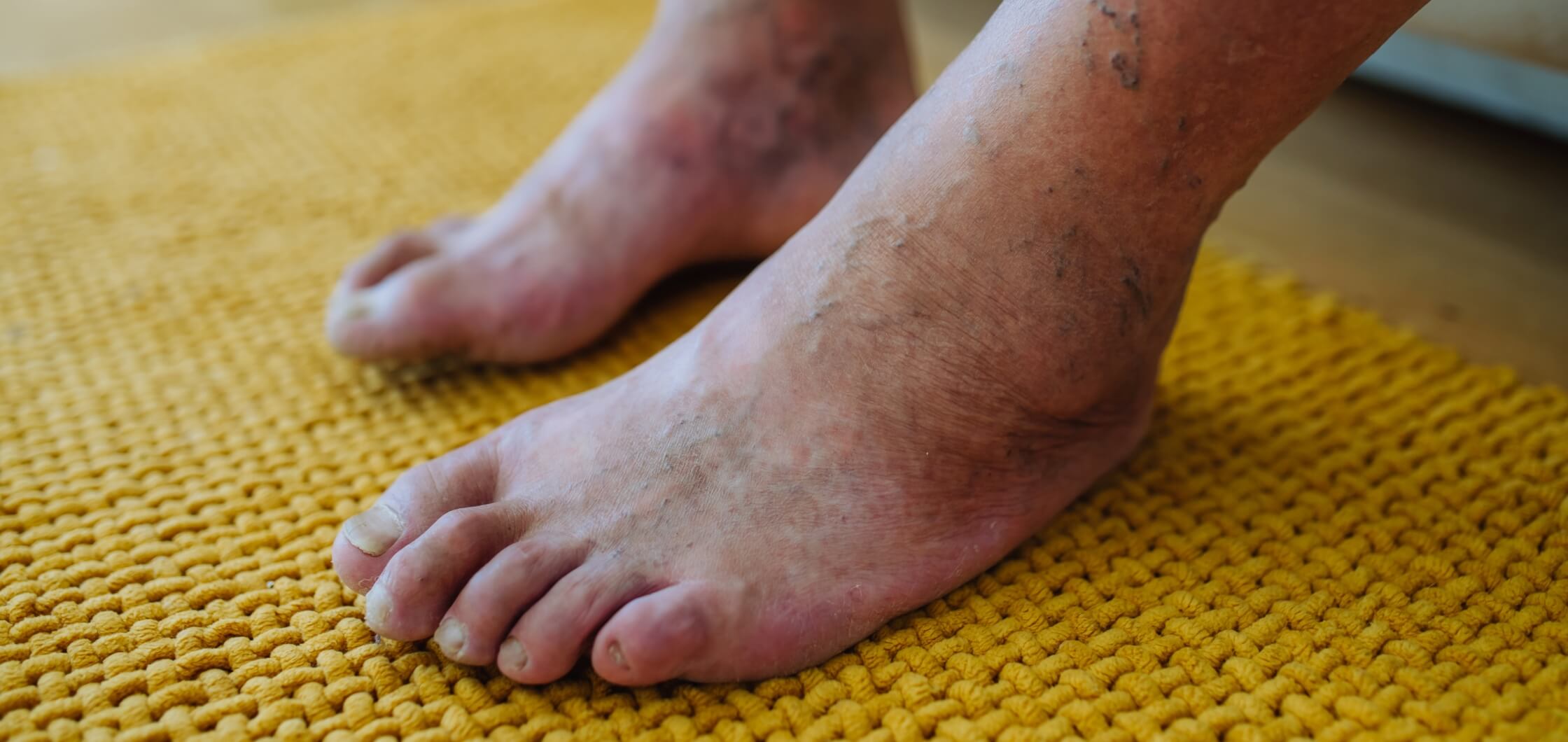
Diabetic foot ulcers are one of the most serious and common complications of diabetes. What often starts as a small sore can quickly turn into a chronic, non-healing wound due to poor circulation, nerve damage, and impaired immune response. Effective Diabetic Foot Ulcer Treatment requires more than basic wound care, it requires a coordinated, advanced approach that addresses the root causes of delayed healing. With mobile wound care, patients can now receive this level of treatment at home, reducing stress, improving outcomes, and helping prevent serious complications.
Thorough Wound Assessment and Ongoing Monitoring
Successful Diabetic Foot Ulcer Treatment begins with a detailed assessment. Mobile wound care providers evaluate wound size, depth, drainage, surrounding skin, and signs of infection. They also consider factors such as blood sugar control, mobility, footwear, and circulation, all of which impact healing. Regular monitoring allows treatment plans to be adjusted quickly if healing stalls, preventing setbacks that could lead to hospitalization or more invasive interventions.
Debridement and Infection Control
Debridement plays a critical role in healing diabetic foot ulcers. Removing dead or infected tissue helps reduce bacterial load and allows healthy tissue to regenerate. Mobile wound care specialists can perform debridement safely in the home when appropriate, minimizing delays in care. Infection control is equally important. Diabetic foot ulcers are highly vulnerable to infection, which can spread rapidly if untreated. Advanced wound care teams use targeted strategies (including cultures when needed) to manage infection effectively and protect surrounding tissue.
Offloading Pressure to Promote Healing
Pressure is one of the biggest barriers to healing foot ulcers. Continuous pressure slows circulation and damages fragile tissue, even with proper dressings in place. Offloading techniques are essential to reduce stress on the wound and allow healing to progress. Mobile providers assess gait, footwear, and mobility to recommend appropriate offloading strategies. This may include specialized footwear, padding, or mobility adjustments tailored to the patient’s daily routine.
Using NIRS Diagnostics to Guide Treatment
Near-Infrared Spectroscopy (NIRS) is a powerful diagnostic tool used to measure tissue oxygenation around a wound. Poor oxygen delivery is a common reason diabetic foot ulcers fail to heal. By using NIRS diagnostics during mobile visits, providers can identify circulation issues early and adjust Diabetic Foot Ulcer Treatment plans accordingly. This data-driven approach helps determine whether additional interventions, such as compression adjustments or referrals, are needed to support healing.
Advanced Dressings and Ongoing Support
The right dressing choice is critical for diabetic foot ulcers. Advanced dressings help manage moisture, protect against infection, and support tissue regeneration. Mobile wound care teams select dressings based on the wound’s specific needs and update them as healing progresses. Education is also a key part of treatment. Patients and caregivers receive guidance on daily foot checks, blood sugar management, and warning signs that require immediate attention, helping prevent recurrence and future complications.
Healing Starts at Home
Advanced Diabetic Foot Ulcer Treatment doesn’t require repeated trips to a clinic. With mobile wound care, patients receive comprehensive, physician-led treatment where they’re most comfortable, at home. This approach improves consistency, reduces risk, and supports better long-term outcomes. If you or a loved one has a diabetic foot ulcer that isn’t healing, call us today to schedule an in-home evaluation and learn how advanced mobile wound care can help.