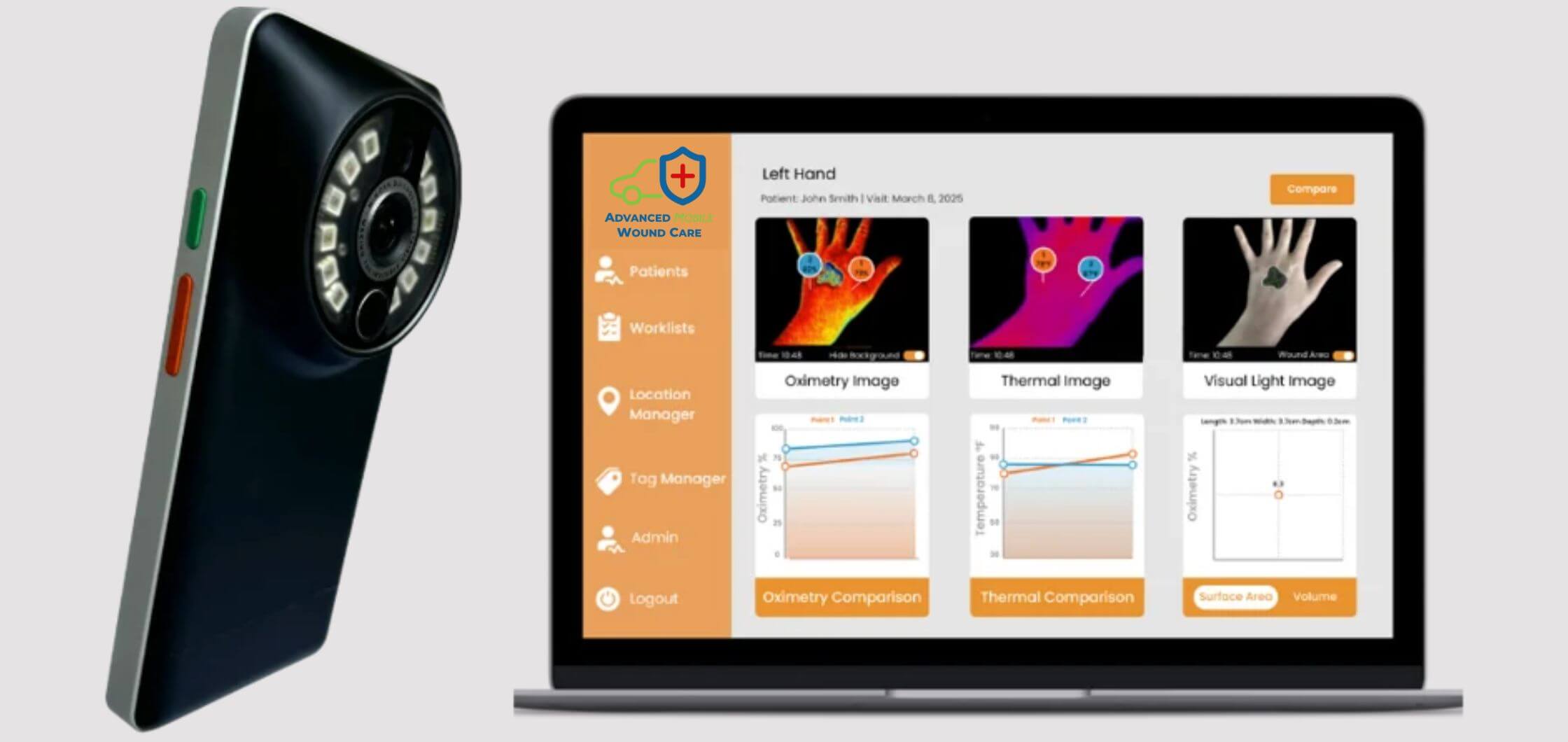
How Near-Infrared Spectroscopy (NIRS) helps identify healing potential and improves wound care outcomes
Chronic wounds can be complex, and understanding why a wound isn’t healing is often the first (and most important) step in getting a patient the right care. Many people assume a stalled wound is simply “slow,” but in many cases, the real problem lies beneath the surface. Near-Infrared Spectroscopy (NIRS) is a powerful, noninvasive tool that allows wound care providers to assess tissue oxygenation and circulation in real time, offering valuable insight into how well a wound is likely to heal and provide the deeper insights needed to know what is going on beneath the skin’s surface!
What Is Near-Infrared Spectroscopy (NIRS)?
Near-Infrared Spectroscopy (NIRS) is an advanced diagnostic technology that uses light to measure how much oxygen is available in the tissue surrounding a wound. Oxygen is essential for healing, without it, skin cells and deeper tissues can’t repair themselves effectively!
NIRS works by directing near-infrared light into the skin and analyzing how that light is absorbed or reflected. Because oxygenated and deoxygenated blood absorb light differently, the device can determine whether the tissue is receiving enough oxygen to support healing. This means clinicians can identify circulation problems early, long before they show up physically, which is especially valuable for patients with diabetes, vascular disease, or chronic foot and leg wounds.
Why Tissue Oxygenation Matters in Chronic Wound Healing
Many chronic wounds stall because the tissue simply isn’t getting the oxygen it needs. Poor circulation can delay healing, increase infection risk, and lead to complications like diabetic foot ulcers, pressure injuries, or even amputation if left untreated. Using Near-Infrared Spectroscopy (NIRS), providers can:
- Detect early signs of poor blood flow
- Identify wounds unlikely to heal without intervention
- Tailor treatment plans more accurately
- Decide when advanced therapies, like offloading, compression, or referral to vascular specialists, are needed
This allows patients to receive the right treatment sooner, reducing complications and improving the chances of successful healing!
How Mobile NIRS Testing Improves Access to Care
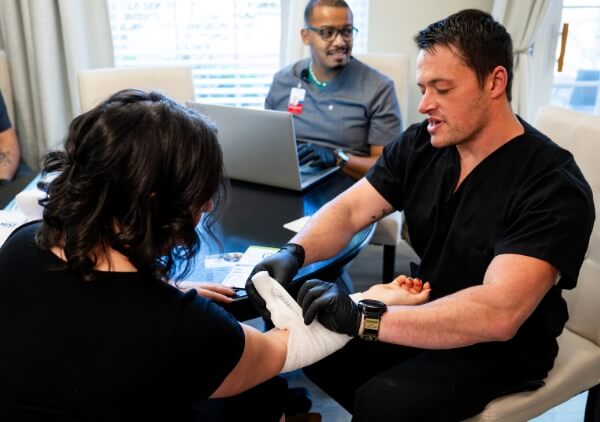
Traditionally, advanced diagnostic tools like NIRS were available only in specialized clinics or hospitals. But mobile wound care has changed that. Today, mobile NIRS devices allow patients to receive cutting-edge evaluation right at home, in assisted living, or in skilled nursing facilities.
Mobile NIRS testing offers several key benefits:
- No need for travel, critical for seniors or patients with mobility issues
- Immediate results, allowing providers to adjust care plans on the spot
- Early detection of problems before wounds worsen
- Better coordination with home health, primary care, and specialists
- Improved healing outcomes, especially for high-risk patients
For many patients in South Carolina, mobile access to this level of diagnostic care is a game-changer, bringing the accuracy of hospital-grade testing directly to their door.
Bringing Advanced Diagnostics to the Patient
When it comes to chronic wounds, guessing is never good enough. Near-Infrared Spectroscopy (NIRS) provides clear, objective data that helps guide treatment decisions and prevent complications. By offering NIRS through our mobile wound care program, we make advanced diagnostics accessible to patients who need it most, without the barriers of transportation or long clinic wait times.
If you or a loved one is facing a wound that isn’t healing, our team can help determine why and what to do next. Call us today to schedule a mobile wound assessment and learn whether NIRS testing is right for you.