

Debunking common wound healing myths to help you recover faster and safer
When it comes to wound care, everyone seems to have advice, some of it helpful, some of it not. Unfortunately, a lot of old-fashioned beliefs about wound healing still circulate today, and following the wrong advice can actually slow your recovery or cause complications. Let’s clear up some of the most common wound healing myths so you can focus on what really helps wounds heal.
Myth #1: Letting a Wound “Air Out” Helps It Heal Faster
This is one of the oldest and most persistent wound healing myths, but it’s not true. Wounds actually heal best in a moist environment, not a dry one. Allowing a wound to “breathe” can cause the tissue to dry out, form a hard scab, and slow down the body’s natural repair process.
Moist wound dressings, on the other hand, keep new tissue healthy and promote faster healing. That’s why modern wound care focuses on keeping the wound covered and protected.
Myth #2: Hydrogen Peroxide or Alcohol Are Good for Cleaning Wounds
While these may seem like go-to disinfectants, using them on open wounds can do more harm than good. Hydrogen peroxide and alcohol kill bacteria, but they also damage healthy cells that are trying to repair the wound. This can delay healing and increase pain.
Gentle cleaning with mild soap and water (or a saline solution) is usually best. Keep in mind, if the wound looks deep, red, or isn’t improving on its own, it’s time to have it evaluated by a wound care professional.
Myth #3: If It’s Not Hurting, It’s Healing
Pain isn’t always a reliable indicator of healing, especially for people with conditions like diabetes or neuropathy. Some chronic wounds can become infected or worsen without causing pain at all.
Even if the wound looks mild or feels fine, it’s important to monitor for changes such as swelling, odor, drainage, or darkened skin. When in doubt, have it checked by a provider who specializes in wound care.
Myth #4: All Wounds Heal the Same Way
No two wounds are alike. Factors like your age, circulation, blood sugar, immune function, and underlying health conditions all play a role in how quickly you heal. For example, a small cut on a healthy adult may heal in days, while a diabetic foot ulcer could take months without proper care.
That’s why individualized wound treatment plans are essential. A wound care specialist can determine the cause of delayed healing and tailor treatments, like debridement, advanced dressings, or negative pressure therapy, to your needs.
Myth #5: Only Surgical Wounds Need Professional Care
Many people believe that only surgical or severe wounds require medical attention. The truth is, even small wounds can become serious if they don’t heal properly. Chronic wounds, skin tears, or pressure ulcers can all lead to infection or hospitalization if left untreated.
When you know the truth behind these common myths, caring for a wound becomes a lot less overwhelming and a lot more successful. But even with the best information, healing can still be challenging, especially when a wound isn’t improving the way it should. That’s where having the right support makes all the difference – and our mobile clinic comes in.
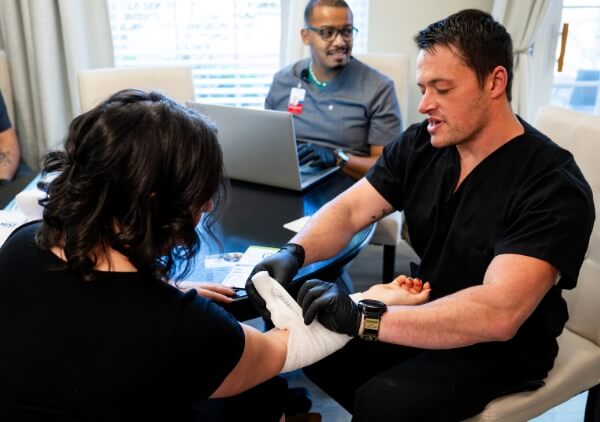
Mobile wound care makes it easier than ever to get the help you need without leaving home. Our team brings compassion, expertise, and advanced treatment right to your doorstep, your own wound center on wheels. You don’t have to struggle alone, wonder if you’re doing the right thing, or wait for a small problem to turn into something serious.
If you or a loved one has a wound that isn’t healing, reach out today to schedule a mobile wound care visit! We’re here to help you heal with confidence, comfort, and the care you deserve.